Child Therapy Services
Specializing in:
Separation, divorce and loss
Angry outbursts or temper tantrums
Anxieties, phobias and exposure
Conflict at home or school
Change - A change event or scary situation has occurred
Offering:
Individual, family, parenting sessions
CPSE, CSE and 504 reports, meeting attendance and participation


What is creative psychotherapy?
Creative psychotherapy allows a nonverbal outlet for children to express their emotions and experiences they may have difficulty articulating verbally.
Creative psychotherapy can help children process difficult emotions, such as sadness, anger, or trauma, in a safe and supportive environment.
Creative therapy can also help children develop coping mechanisms and improve emotional self-regulation.
What is play therapy?
Play therapy is an approach that allows a natural form of expression via play in an open and safe arena. We utilize materials such as representational figurines, building materials, plants, and art supplies to aid the child in expressing what is going on for them in ways that talk therapy cannot access. Since every child is different, the materials and interventions that will aid them will be different and tailored for them. Through play and creative processes, the child has the opportunity to express and work through what is going on for them emotionally.
Through this type of therapy, internal struggles and buried begin to make their way out into the open. I always trust that whatever is on the child’s mind will come forward—the play and use of creative materials allows for the concerns to come out in a symbolic (instead of direct) way, which developmentally assists in this work. For children, they may not yet have words or the skills to articulate their feelings and or management of their emotions yet—therefore a child may be exhibiting other ways through behavior that they are having difficulty. The therapeutic process helps them gain awareness of their issues and ways to handle them. The play therapy environment is much more structured than free play and the therapist is focused on the child’s play in a different way than you would be if you were simply playing with a child.
The goals of play therapy are to create an environment of trust and comfort, to develop social awareness, to process difficult emotions, to remove obstacles that they may be experiencing towards development, help them process stressful events that they can’t figure out on their own, and of course to work with parents on what is coming out of the play and creative expression.
How I use play and creative treatment:
Non-directive play therapy:
Allows the child to lead the play, choosing toys and activities, while the therapist observes and participates as appropriate.
Directive play therapy:
Play therapy can involve various techniques, such as using toys, puppets, art materials, or sand tray activities, to help children explore their emotions and experiences.
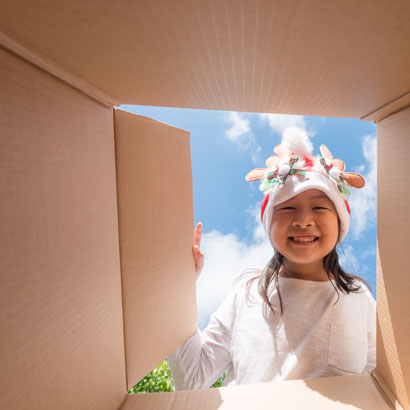
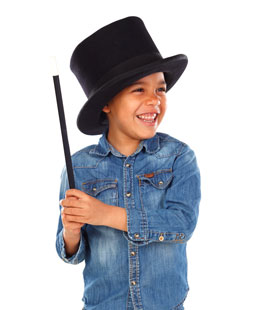

Examples of play as a healing tool:
Dramatic play:
Art:
Paints, craft materials, clay, musical instruments, magic wand, dress-up clothes, etc.
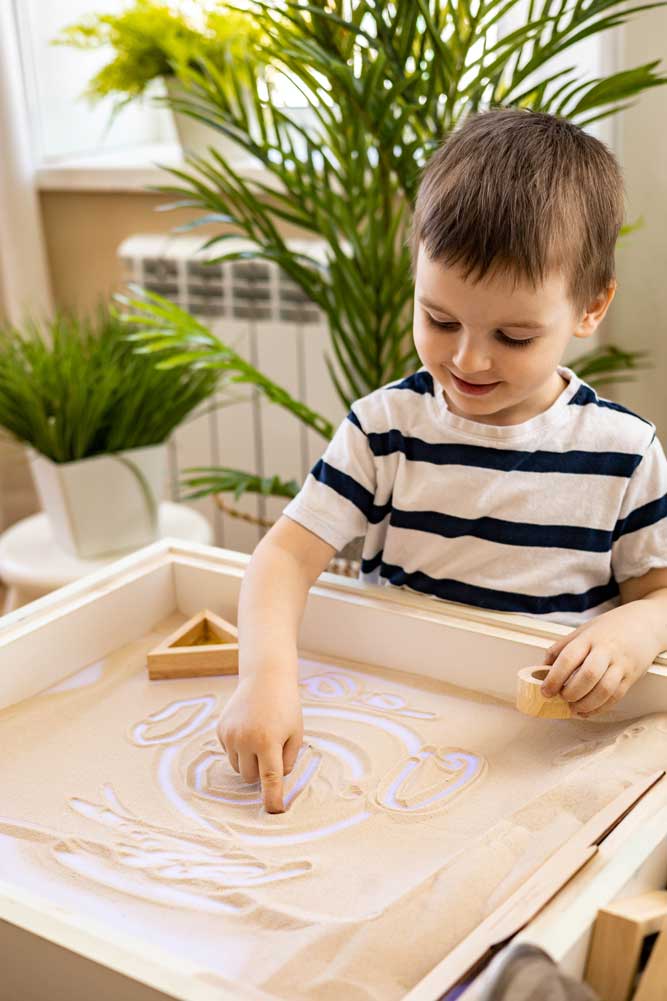
Sand tray therapy:
Using a sand tray and miniature figures, children can create symbolic representations of their experiences and emotions, which can be helpful in processing difficult emotions.
Creative therapy:
Engaging in sensory materials as therapeutic tools to creative treatment interventions/activities like painting, drawing, sculpting or exploring materials. This can provide a non-verbal or verbal navigating outlet for expressing emotions and healing.
What is child behavioral therapy?
Both creative/play therapies as well as child’s behavioral therapy benefits the following:
Improved self-control and self regulation:
Reduced problem behaviors:
Enhanced problem-solving skills:
Improved social skills:
Therapy can help children learn how to interact appropriately with others.
Ready to give therapy a try?
Let's start with a short 10-15 minute phone call to see if we're a good match. From there, we'll move onto an assessment appointment and then into therapy.